When we talk about the future of filmmaking in Los Angeles, the conversation often centers on studios, streaming companies and blockbuster productions. However, some of the most important work is happening with filmmakers trying to make their first feature, find an audience for a short film or figure out how to turn a creative idea into a sustainable career.
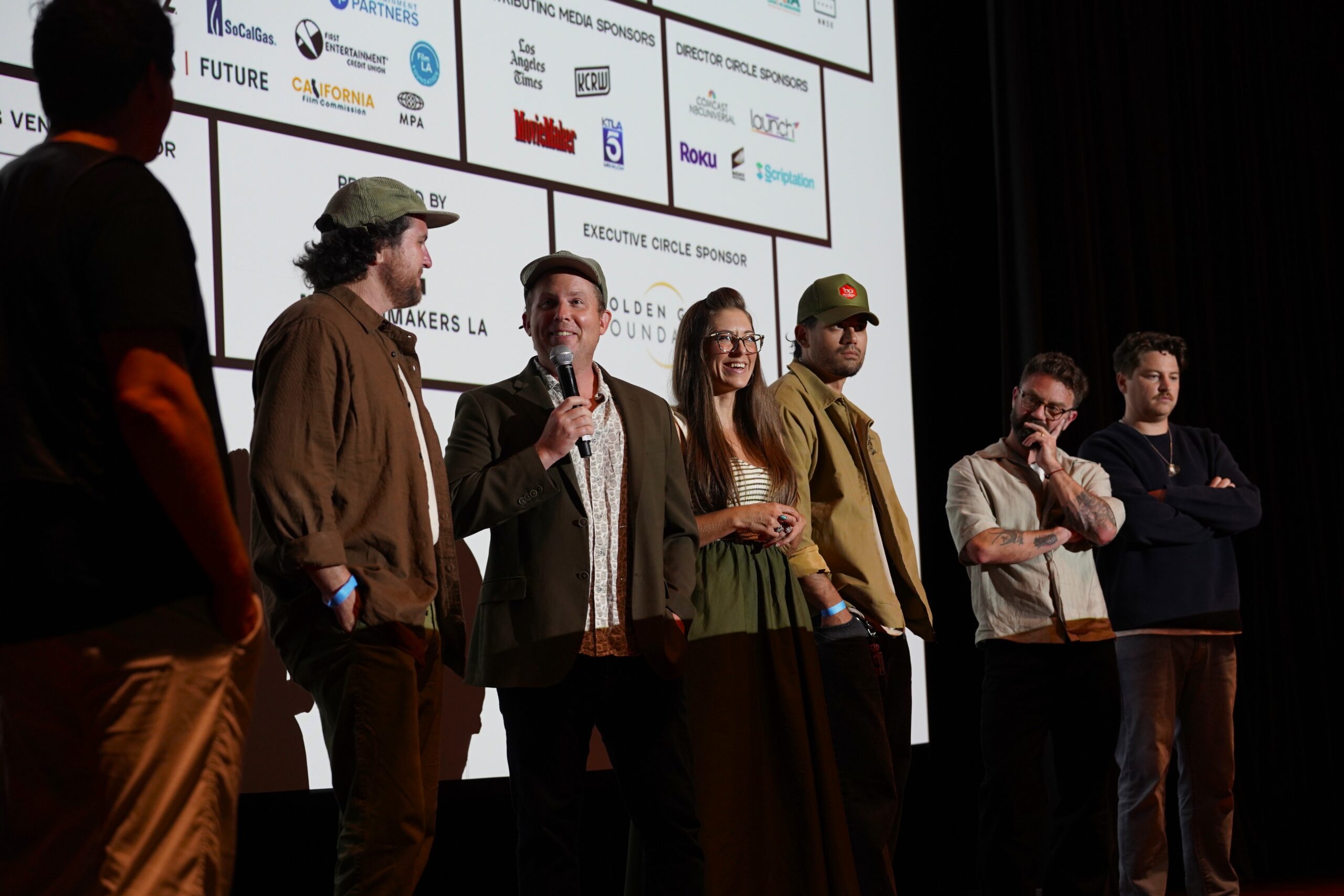
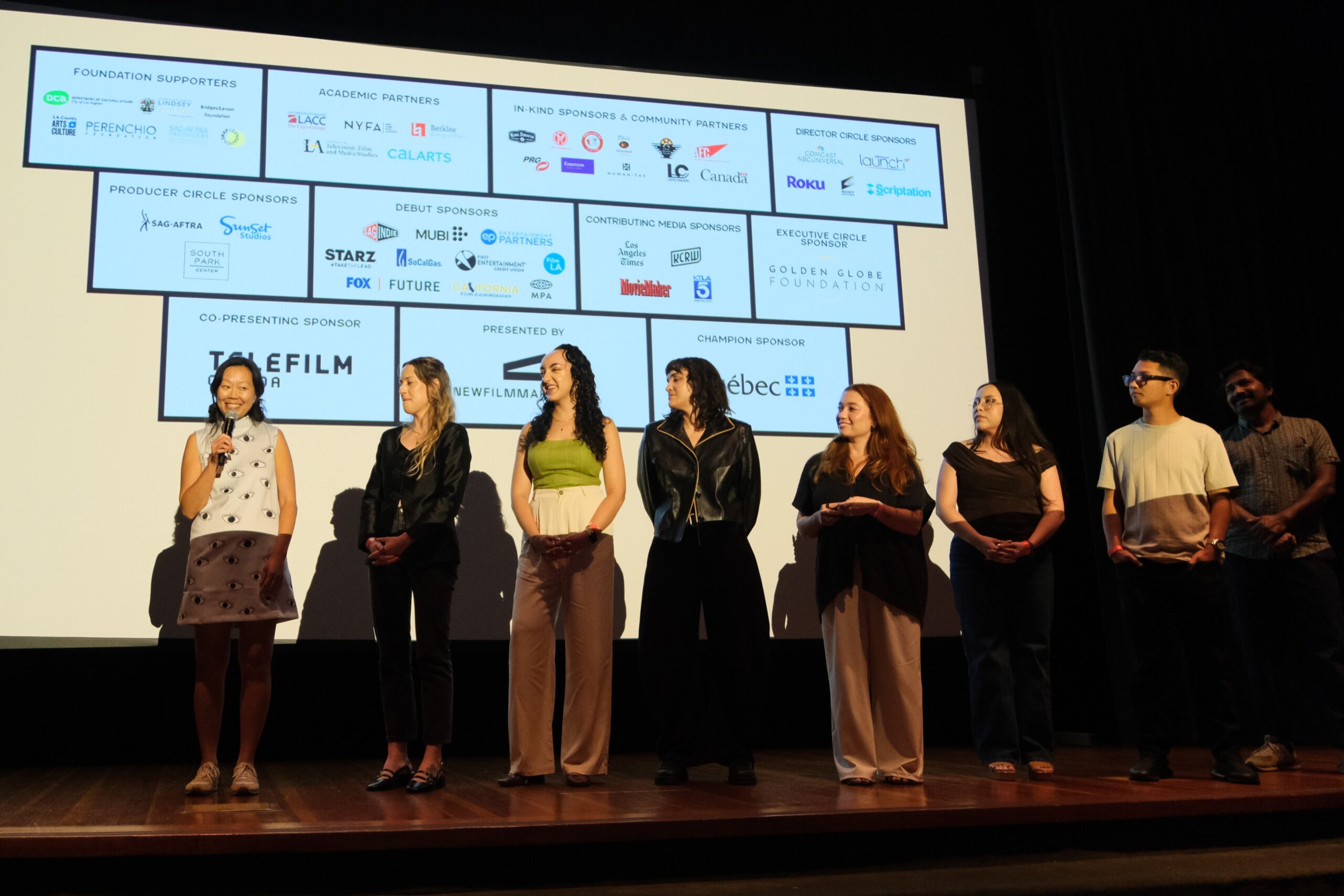
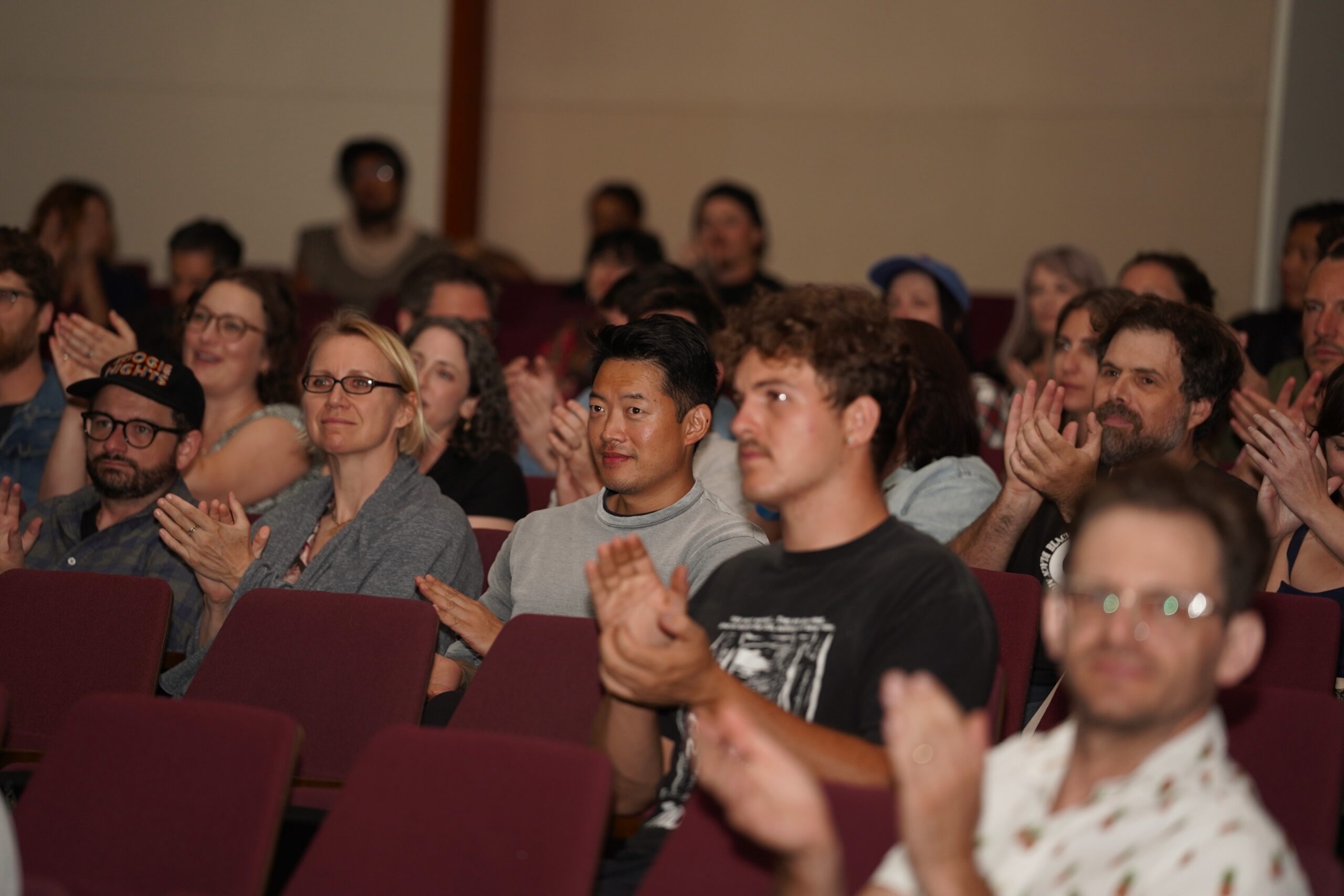
For years, NewFilmmakers Los Angeles (NFMLA) has worked to create opportunities for emerging and independent filmmakers, giving them something that can be difficult to find in today's entertainment industry: a place to show their work, meet people in the business and build a community around filmmaking. NFMLA presents monthly (yes, monthly!) red carpet screenings of documentary, short and feature films selected from submissions from all over the world.
Recently, NFMLA has leveled up their role as leaders in the landscape, initiating the creation of a new proposal for filmmakers working with small budgets in LA. LA County’s new “Entertainment Evergreen Fund” is designed to give small productions direct grants to shoot locally. The idea is still in its early stages (there’s no funding commitment or final dollar amount yet), but supporters see it as a potential lifeline for the city’s struggling indie-film ecosystem.

In a recent story by the LA Times, LA-based filmmaker and NFMLA alumna Sylvia Ray illustrates the dilemma facing micro-budget, independent filmmakers. She wanted to shoot her first feature, The Middle, in California, where the story is set. Instead, she took the production to Mexico, where local and state incentives covered roughly 30% to 40% of her budget. She also avoided some of the permitting, security and accommodation expenses she would have faced in Los Angeles. That kind of calculation is becoming increasingly common. California’s film tax-credit program has expanded, but it still doesn't adequately reach the smallest productions.
County Supervisors Lindsey Horvath and Kathryn Barger are exploring a program that would work differently from California's tax credits, providing grants directly to qualifying productions. Supporters argue that this would get money into filmmakers' hands more quickly and make a meaningful difference on productions operating with extremely tight budgets.
The proposal grew directly out of work by an Indie Film Task Force led by NewFilmmakers Los Angeles. NFMLA Executive Director, Larry Laboe, has argued that direct grants could provide a meaningful boost to microbudget productions. Laboe describes the proposal as a foundational investment that could put relatively small amounts of money into a large number of productions and potentially produce much bigger successes down the road. SAG-AFTRA Los Angeles Local President, Joely Fisher, made a similar argument to the Times, noting that independent productions provide opportunities for emerging creatives to gain experience and take chances.
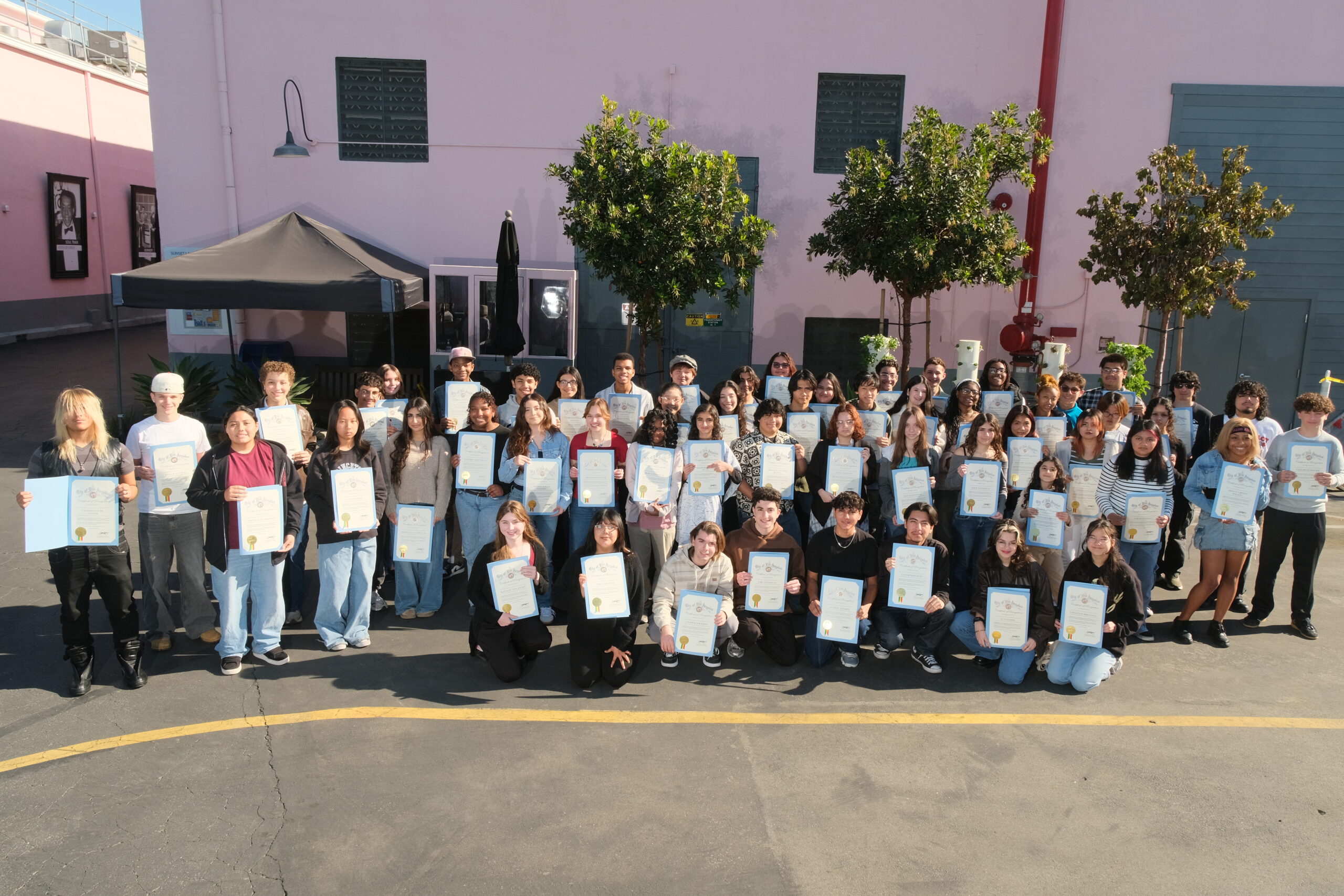
For NFMLA, the big-picture take is that you can't know which filmmaker will become the next major voice in cinema unless you create opportunities for them to work. The organization's broader programming reinforces that philosophy. NFMLA offers educational and professional-development opportunities alongside its festival programming, including grant and development initiatives and youth mentorship. Its CineSessions High School Student Mentorship Program, for example, introduces Los Angeles County high school students to entertainment careers and production opportunities. NFMLA's programming continues to focus on the practical side of getting films into the world. Recent NFMLA events have included conversations about sales, distribution and bringing films to market.
A robust pipeline of emerging talent is exactly what Los Angeles risks losing if independent production continues to migrate elsewhere. The Evergreen Fund therefore feels like a natural extension of NFMLA's mission. The organization has spent years identifying filmmakers and connecting them with the industry. Now, it’s advocating for the economic conditions that might allow those filmmakers to actually build their careers in LA. Through its leadership of the Indie Film Task Force, NFMLA is pushing LA County to consider how public investment could keep independent production alive locally.
At a time when Los Angeles is fighting to maintain its position as the world's entertainment capital, NFMLA is making a case for investing in the people who bring city-defining cultural production back to our zip codes.