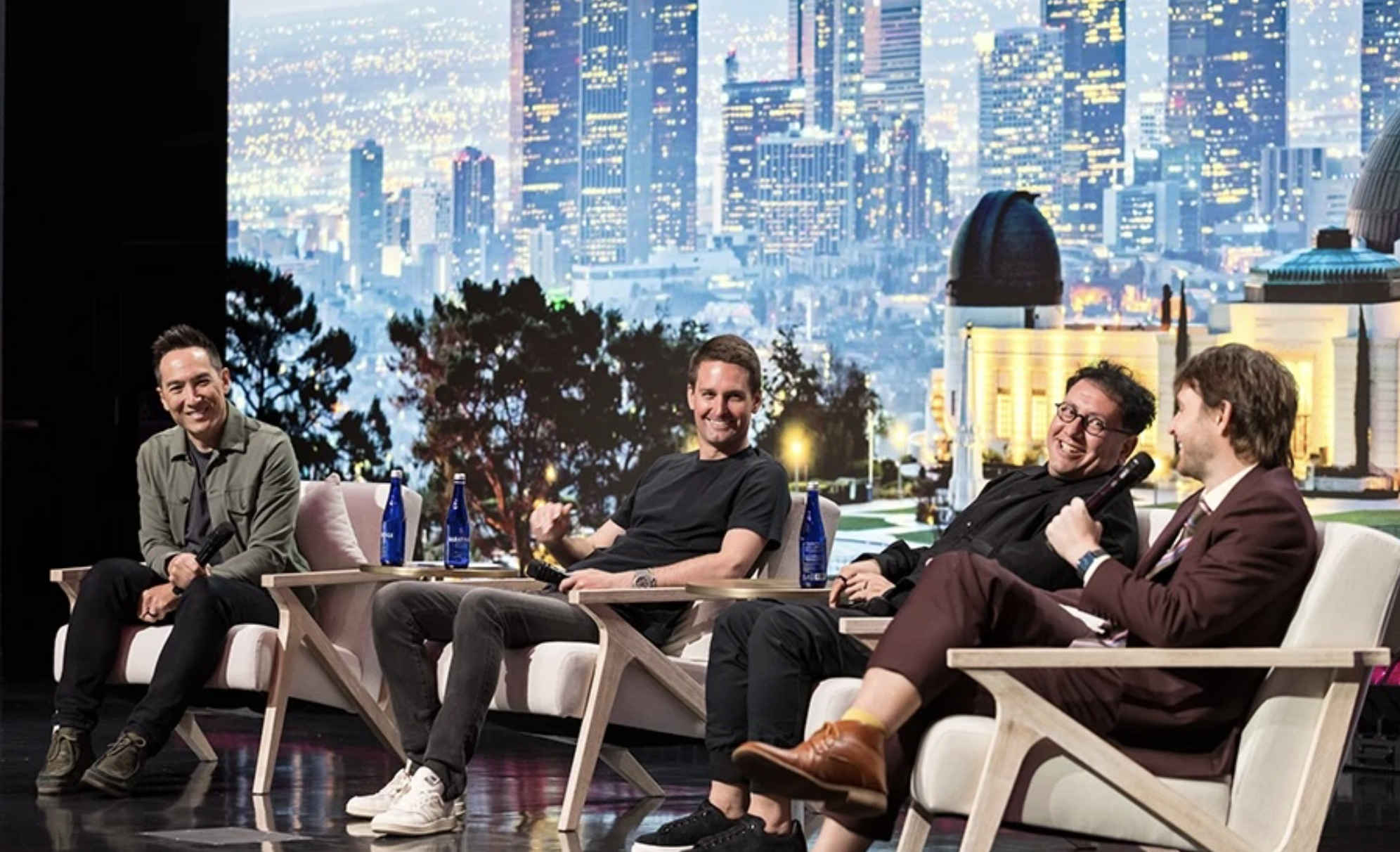
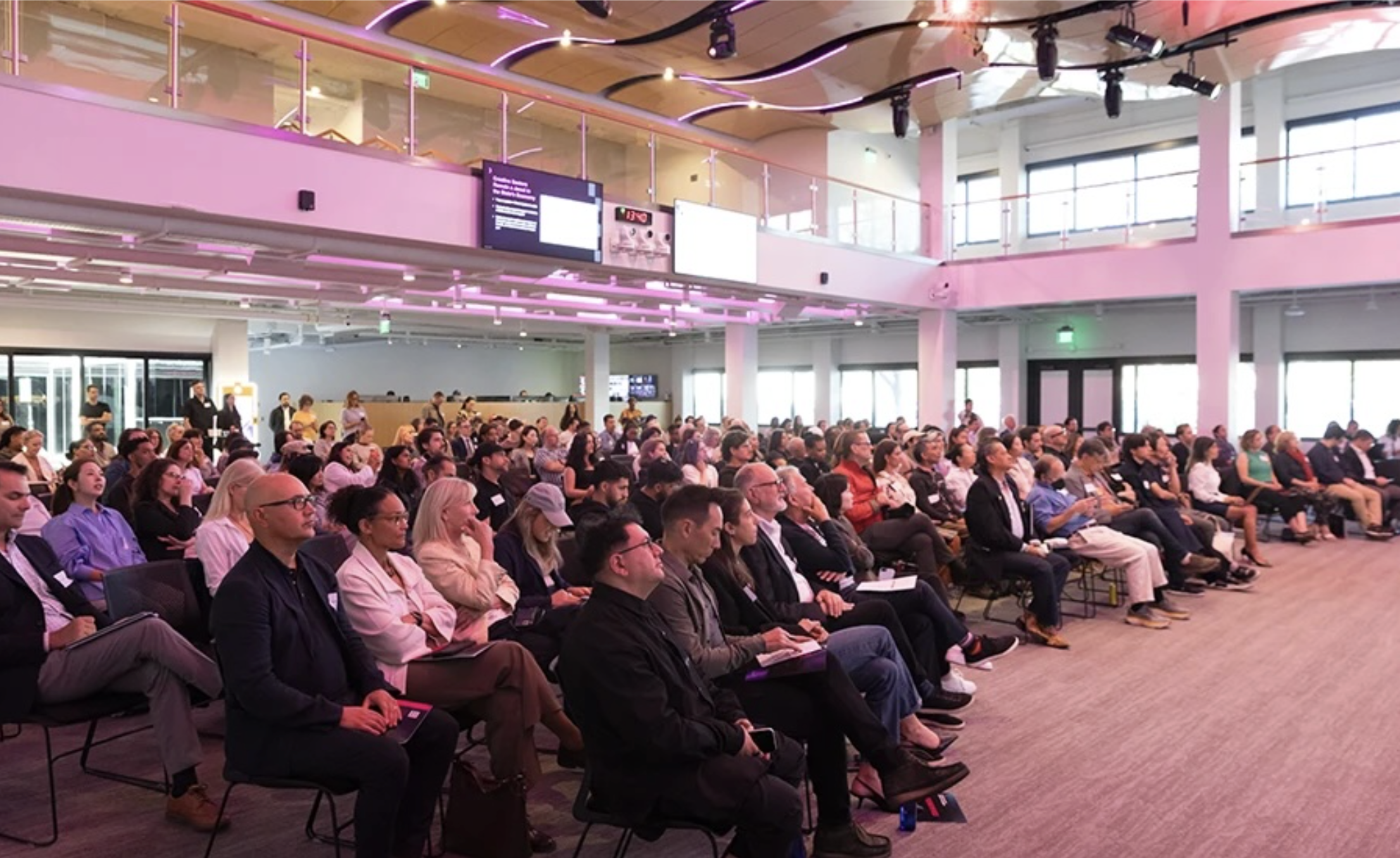
Hosted at Snap Inc. on April 7, the Spring 2026 launch event for the Otis College Report on the Creative Economy celebrated the release of Creative Disruption: AI and California’s Creative Economy (2022–2025), an in-depth report on how AI is reshaping California’s creative sectors.
Backed by the Snap Foundation, the launch event convened leaders from various creative industries, along with policymakers, non-profit leaders, educators, and media representatives, to review the latest trends both stunting and stimulating California’s creative economy.
The event began with an engaging presentation by Patrick Adler and Taner Osman, founding partners of Westwood Economics and Planning Associates, highlighting key findings from the report including the state of California’s creative economy today, and results about the relationship between artificial intelligence (AI) and the creative economy.
Osman delivered an overview of California’s creative economy at large, indicating that 5% all jobs in the state of California are part of the creative economy - and that jumps to 11% when accounting for indirect jobs boosted by creative industries. Osman shared that creative economy jobs fell by 2.9% in 2025 in California, but wages have increased by 23% (indicating that job losses have mostly occurred in lower paying positions). Even amid the state’s restructuring and sluggish job growth, California remains the hub of creative work accounting for nearly 1 in 5 of the nation’s creative economy jobs.
Adler presented an overview of the report’s findings related to AI and the contraction of the creative economy since 2022, when Open AI released ChatGPT 3.5. Surprisingly, Adler shared that the research suggests that the insurgence of AI tools had very little to do with the decrease in creative economy roles. Rather, the research highlighted four key findings: 1) AI is not responsible for CA’s shrinking creative economy 2) When AI is adopted, it replaces tasks, not workers 3) Creative workers shape the pace and extent of AI adoption and 4) Creative workers are caught between AI’s limitations and rising expectations. In short, AI is being used as a complement rather than a substitute. Additionally, Adler explained that half of job losses can be explained by California-specific forces such as CA’s cost premium (prices are 11% above national average) and the changes and restructuring of major markets like film, TV and media.
Following the presentation of key findings, the event hosted a fireside chat with Chris Down of Mattel Inc., Evan Spiegel of Snap Inc. and Refik Anadol of Refik Anadol Studio and Dataland. The conversation touched on topics like AI’s place in the creative process, how to prepare employees to utilize AI as a tool without shame, and the other tensions and opportunities provided by AI integration.
First published in 2007, The Otis College Report on the Creative Economy has evolved into a comprehensive research program, featuring in-depth studies, an interactive digital dashboard that showcases real-time data and trends across creative sectors, and a series of in-person and online events. Cited in publications such as The New York Times, Los Angeles Times, Variety, The Hollywood Reporter, The Wrap, and Business Insider, the report and dashboard continue to serve as authoritative references for industry leaders, arts institutions, and nonprofit organizations.
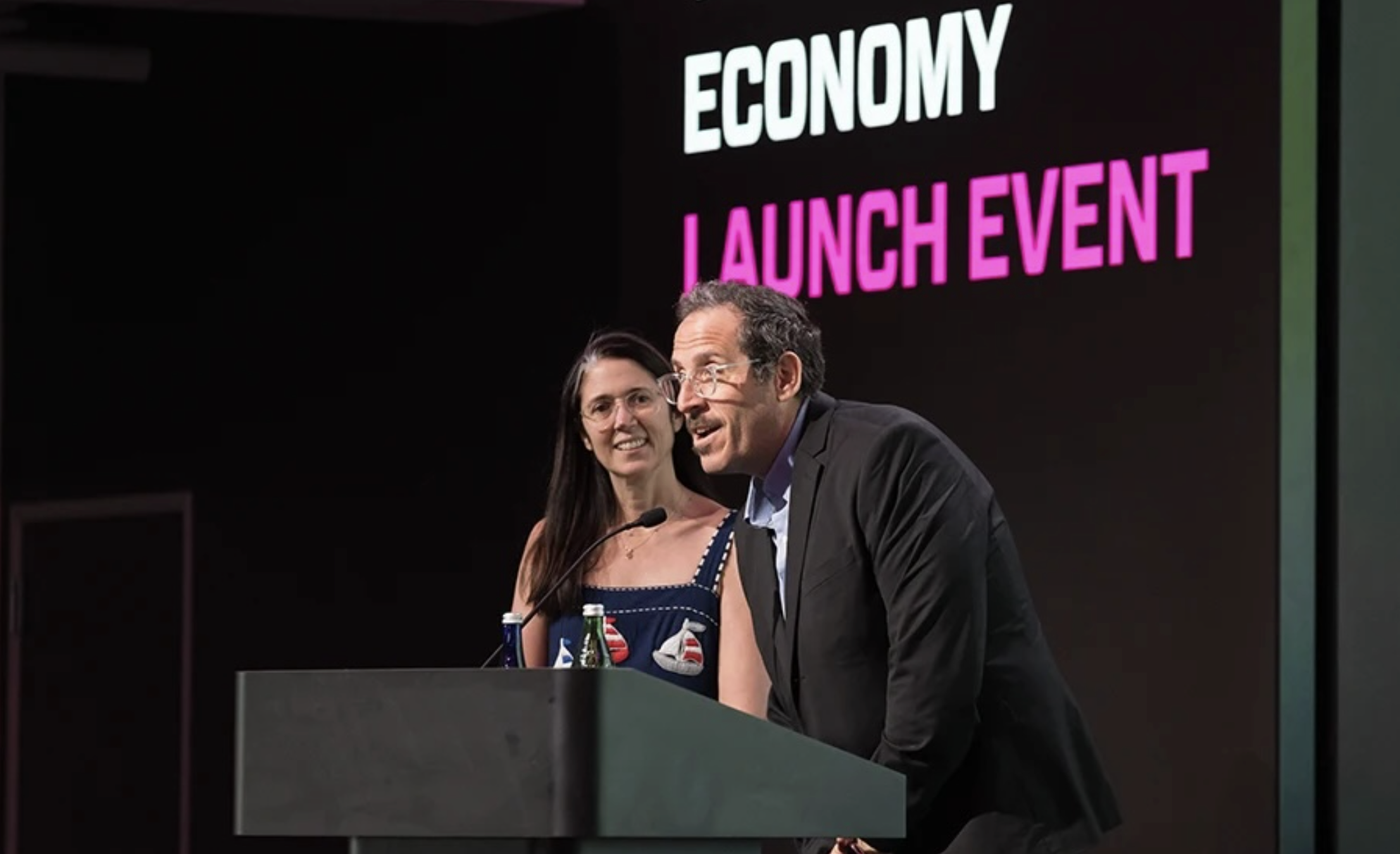
The Snap Foundation is proud to partner with Otis College to present a dynamic and essential resource examining the impact of the creative sector. You can watch the livestream of the event here and view the latest report here.