
Right in the heart of Lawndale, a small but multicultural city located just miles south of Los Angeles’ foremost city limits, is a seemingly ordinary, white, rectangular building. However, what bubbles from within it is anything but commonplace. Instead, it’s the dynamic, vibrant creative happenings of the Experimentally Structured Museum of Art.
ESMoA is a free-admission nonprofit museum and Snap Foundation partner on a mission to inspire creative thinking in the South Bay and Los Angeles area by changing how community members think, learn, and create using the arts. With every exhibition, program, and event it presents, the museum has encouraged its visitors to “Reimagine Creativity” since its founding in 2013. Today, the dynamic nonprofit’s mission plays out in three ways: experimental art showcases, public programs, and artist residencies.
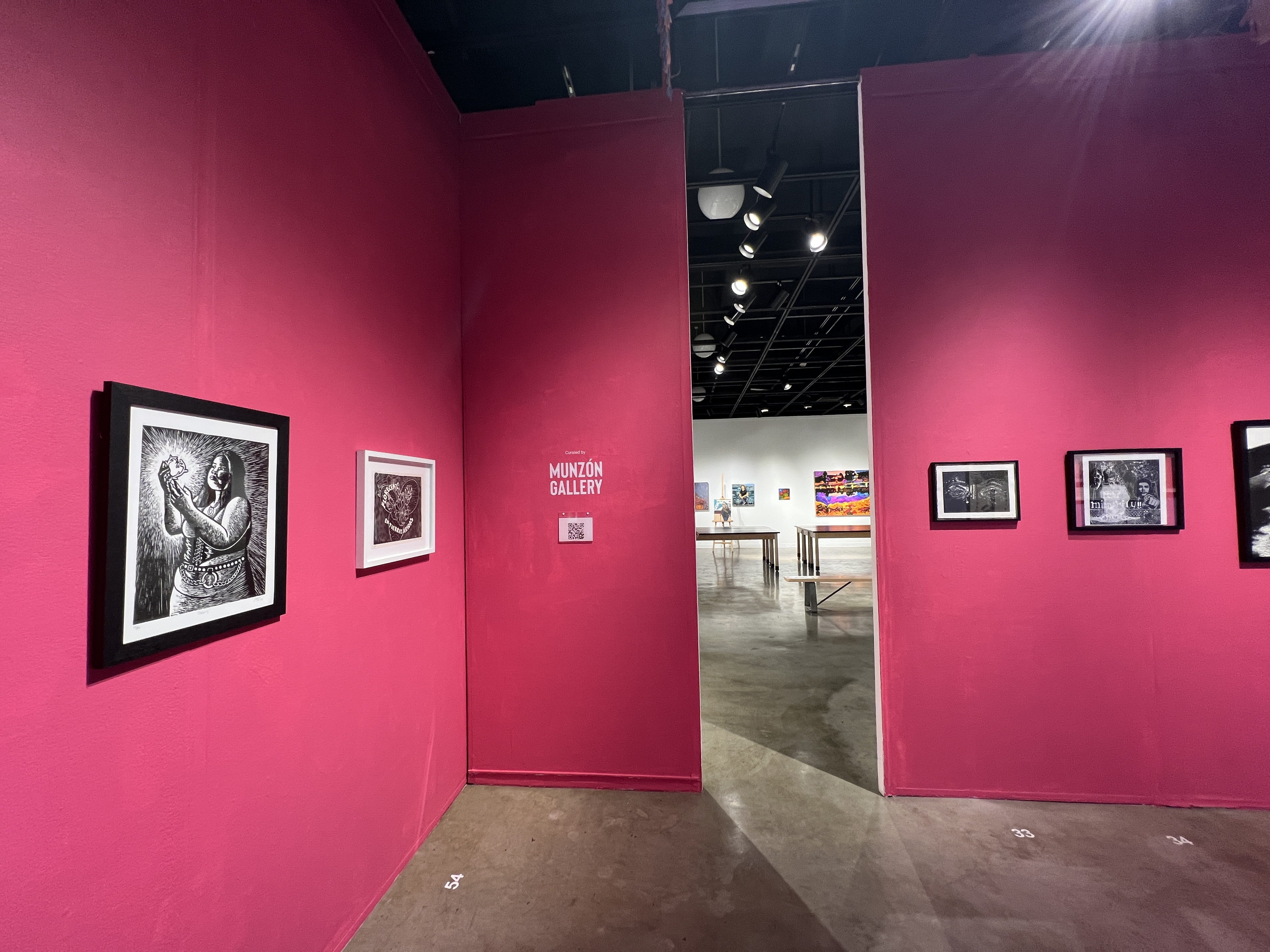
Los Angeles County’s South Bay is a vast area comprising over a dozen cities—all of which have made their own unique contributions to L.A.’s vibrant creative ecosystem. At the same time, socioeconomic barriers have prevented many communities in the South Bay from enjoying access to arts experiences. One way ESMoA is working to undermine these systemic constraints is by presenting thematic art exhibitions that are always free and open to the public.
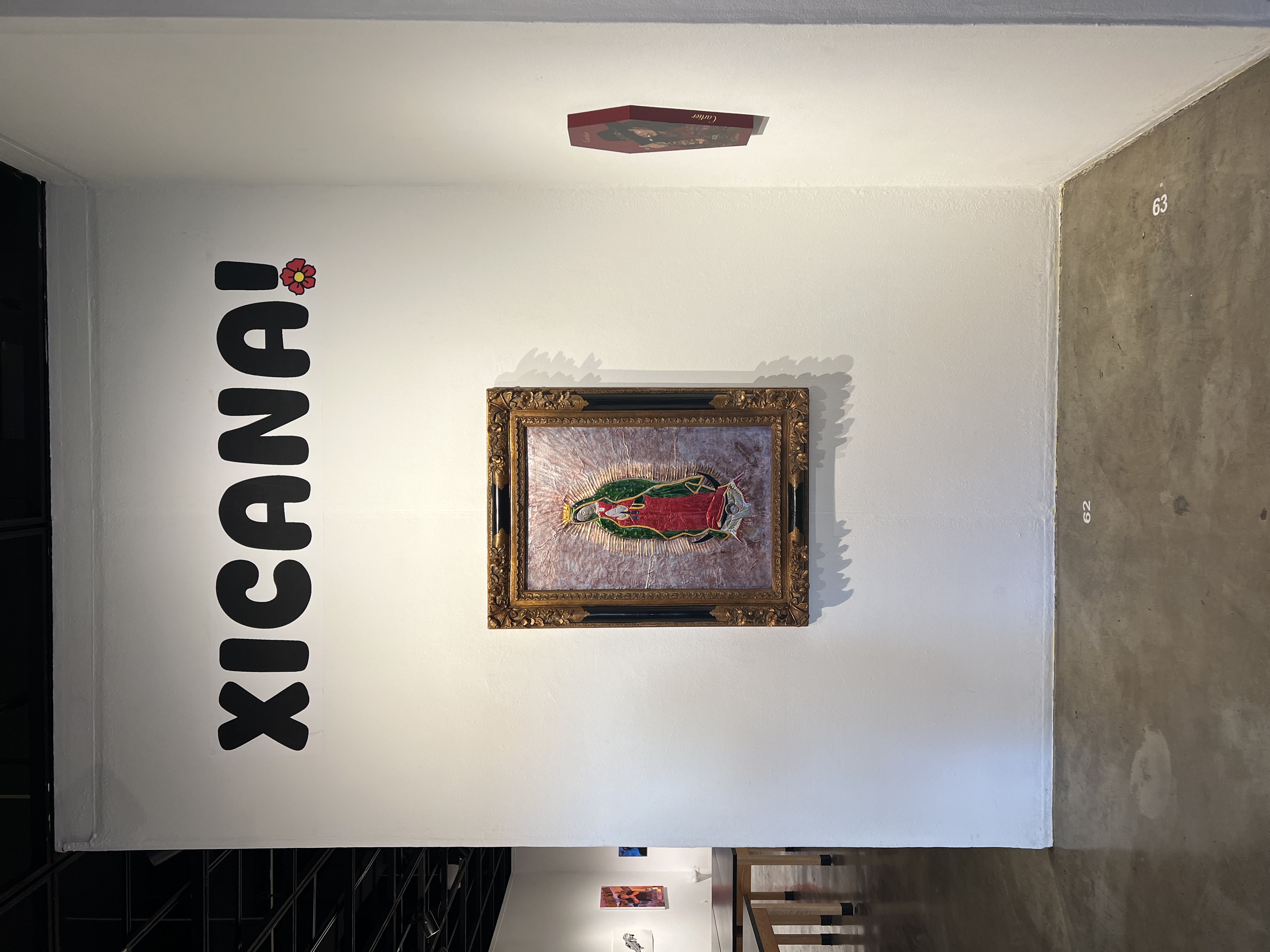
These showcases, which unfold at both ESMoA’s Lawndale gallery and other venues across the South Bay region, are designed for audience interactivity; current ongoing exhibits include GROW and ROOTED, which both invite visitors on a communal journey that traverses the human experience. Moreover, in 2024, the museum presented XICANA! at El Camino College—a project highlighting the sociocultural impact of Chicana art. (The project was so well-received that it is now making its second rounds at the California Center for the Arts in the San Diego area.) A common thread in all of ESMoA’s programming is that it culturally reflects the culture of the community it serves, which comprises sizable Latinx/Hispanic and Black populations.
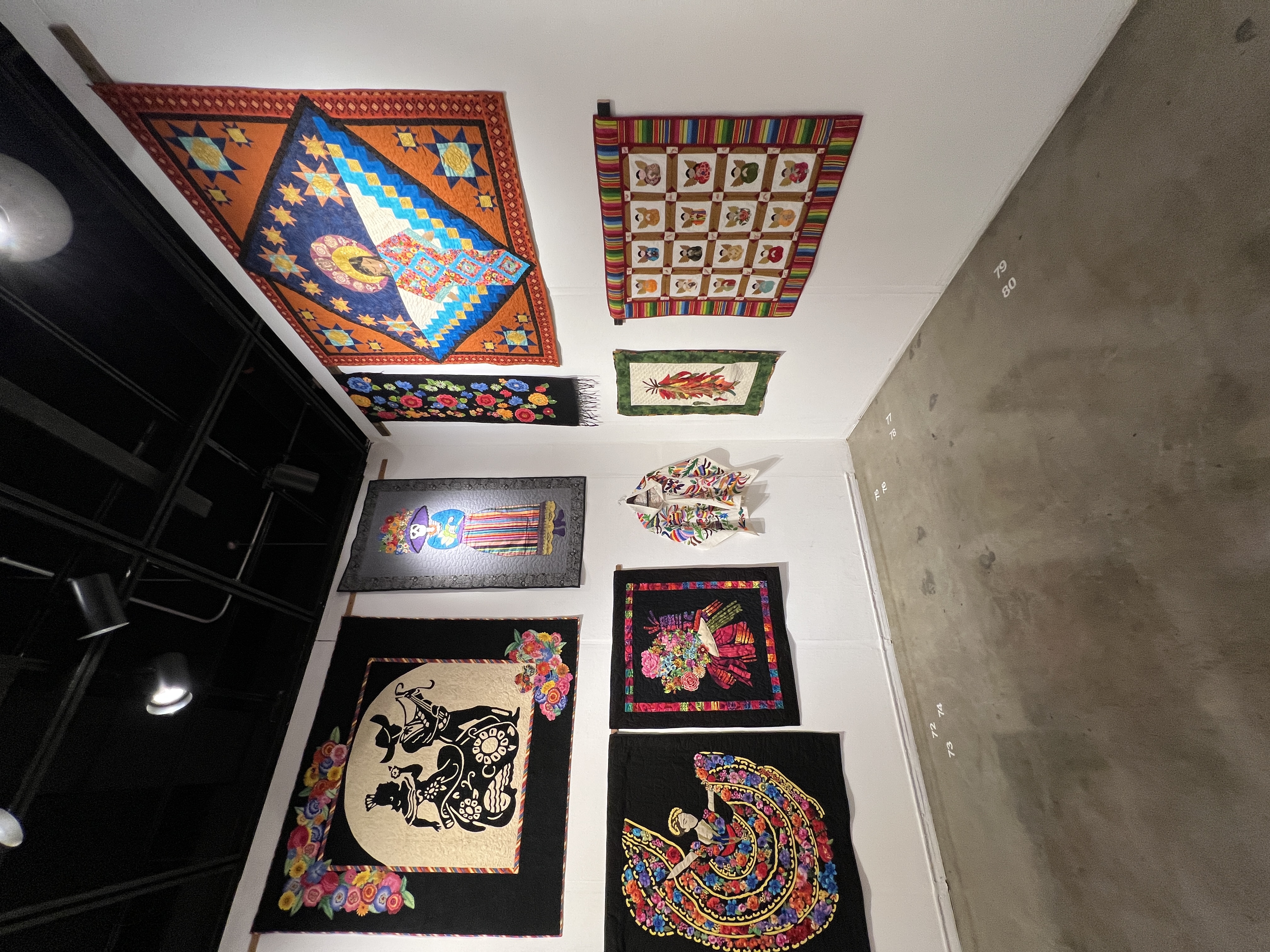
ESMoA also nurtures equitable participation and access to arts education via its tapestry of public programs, ranging from art-making with teaching artists and family-oriented, themed activities to workshops, lectures, screenings, and film festivals. One of the museum’s ongoing programs is the ESMoA Zine Team: a collective of young creatives who come together to create zines inspired by ESMoA exhibitions. ESMoA Communications Manager Bryan Puertas, who is also a South Bay native, explains that, since 2022, Zine Team has been an impactful exercise in building community through creativity. He says, “A 15- and 25-year-old might not think they have shared experiences off the bat because of their drastic age differences, but when they come together every week to talk about their zine-making processes, they find commonalities, learning from and inspiring one another.”
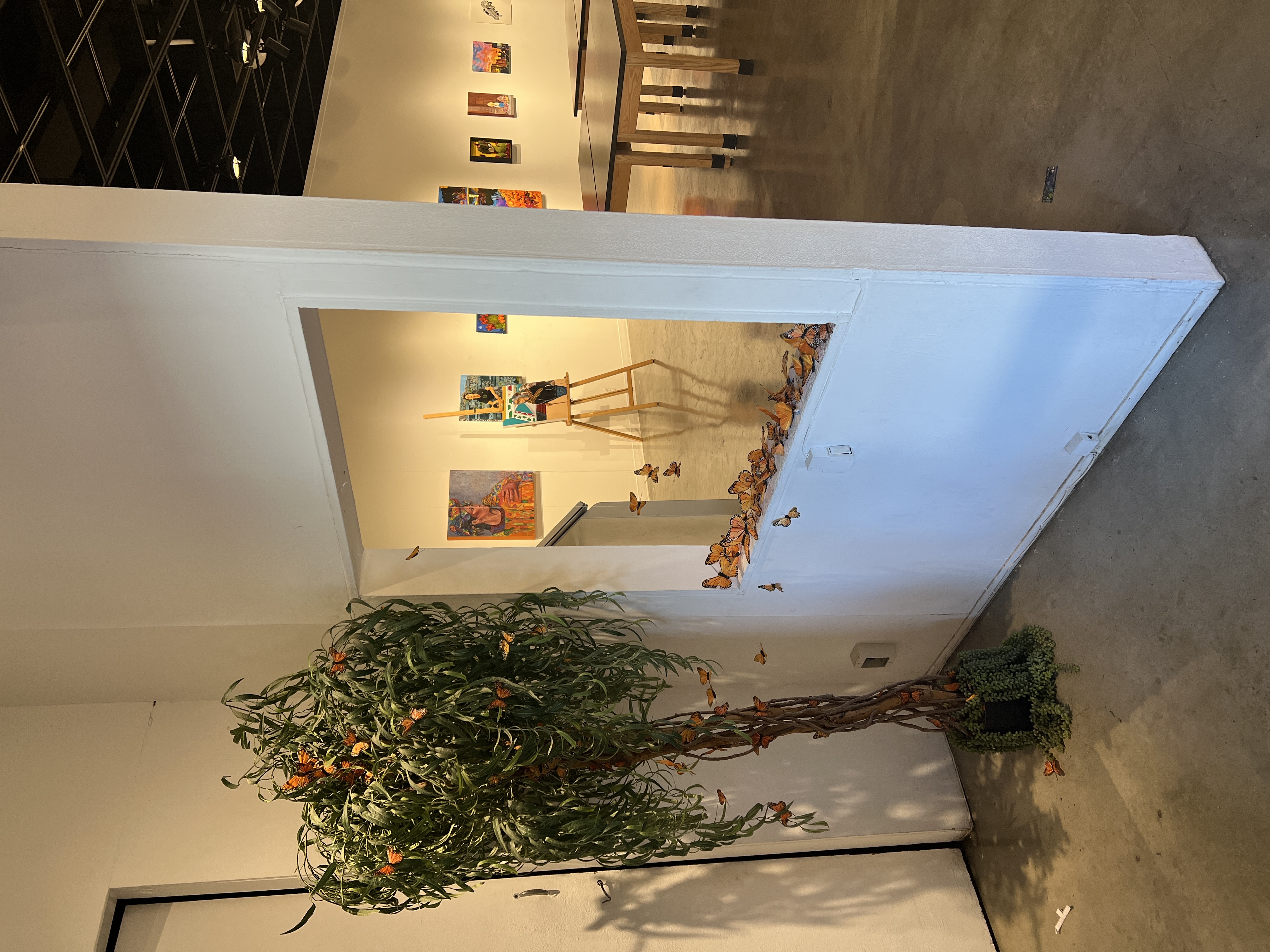
The museum also offers programming for younger creative dreamers—a great example being its START Lab program, which currently invites Lawndale Elementary School District students to engage in art at the school library. “A lot of schools [in the community] don’t have art programs or dedicated art classes—but they do have libraries,” Puertas says. “So every month we present START Lab, where we go into schools, bring a book that the librarians have already familiarized the students with, and do an art activity based on the book, whether it’s printmaking, collaging, or mural painting. For some of these kids, it's the first time they interact with art or even have somebody teaching how to do art.”

Then there’s the ESMoA’s internship program: a training opportunity that focuses on mentorship and familiarizes aspiring creative workers with the ropes of operating an experimental museum. Right now, most of ESMoA’s interns are part of the nonprofit’s paid internship program for college students; high school students 16 and up also have the opportunity to intern at the museum on a volunteer basis. “Our goal is to show students that these paid internships are a pathway to the creative economy,” explains ESMoA Founder Eva Sweeney. “That’s why we are hoping to expand the initiative to also include high school interns. Many of the teens and young adults who engage in our programming have jobs out of necessity. So by building out the paid internship program, we’re making it so they can sustainably engage in our creative ecosystem.”
How else do ESMoA programs drive impact in Los Angeles’ creative economy? One way is through the ESMoA LAB Residency, which provides an experimental space for Angeleno artists to create an original commissioned work that speaks to the current experimental exhibition. Additionally, ESMoA hosts multiple international artists a year for its international residency program: an opportunity for artists to collaborate with staff and the Lawndale community. Spring’s STATIONS exhibit featured a dozen young German artists who lived and worked in Lawndale for a week and a half; right now, ESMoA is fundraising to send a number of El Camino students off to Germany for an equally enriching experience.

Currently in LAB residence is Christopher Perez, a local multidisciplinary artist who is in the midst of creating a documentary short, focused on the heritage of Día de Los Muertos, for one of the museum’s upcoming fall shows, GRIEF. “We currently present a Day of the Dead festival, but we try to go against the commercialization of the celebration,” explains Puertas. “The feeling we’re trying to create with our exhibition is more like going to your grandmother’s house. So Christopher is in Oaxaca now, and seeing how the region’s Indigenous communities carry out the tradition.”
From growing internship programs to enticing upcoming exhibitions, it is clear that the ESMoA team is not slowing its roll anytime soon. This is because the nonprofit knows that for South Bay communities like Lawndale, inclusive community spaces are increasingly crucial, especially with the rise of public policy that targets immigrants and low-income families. ESMoA stands in solidarity with both populations and shares that communicating such ties in with the museum’s ongoing efforts to let the South Bay’s underserved communities know ESMoA is for them, as opposed to privilege passersby.
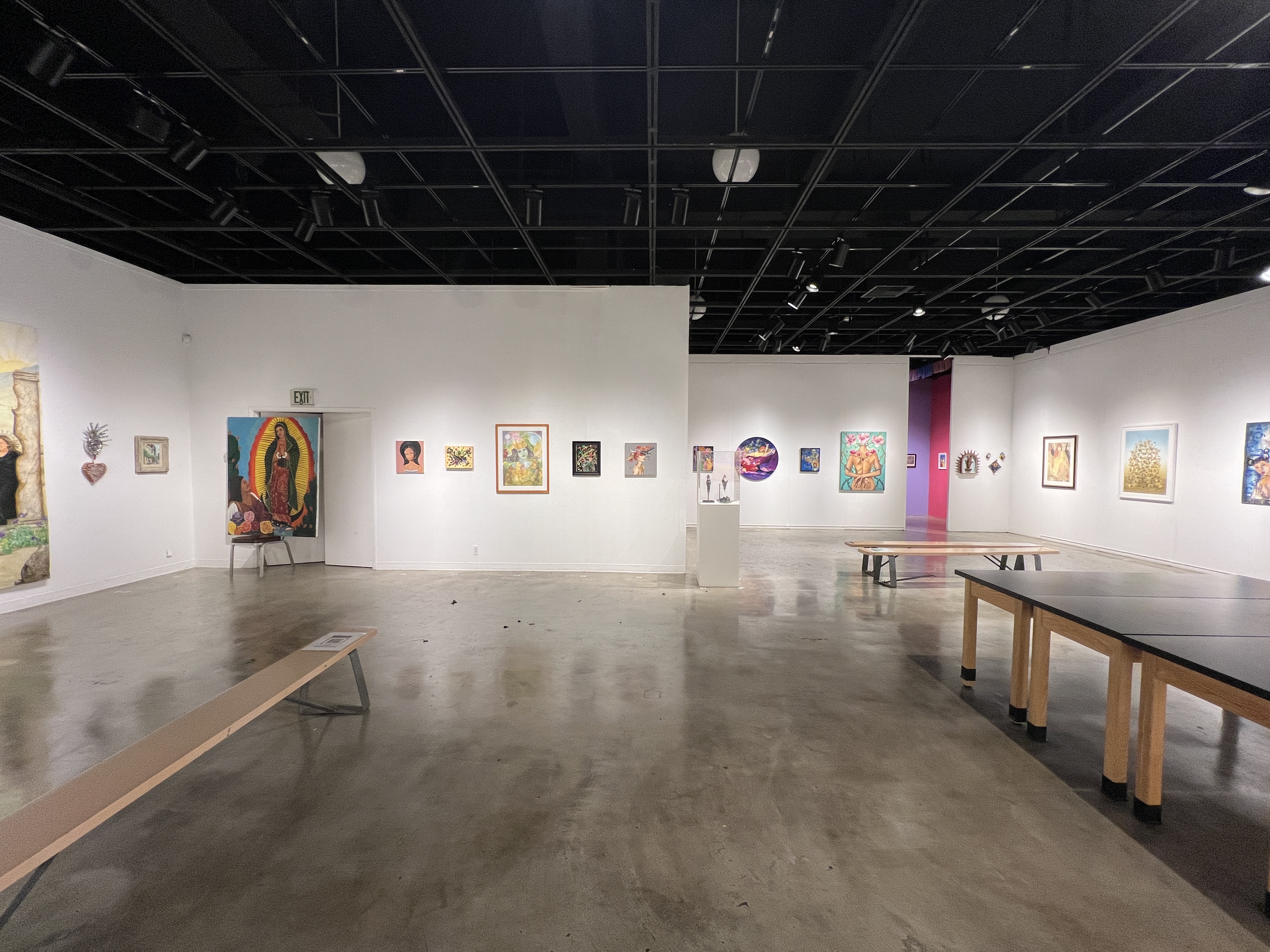
Sweeney says, “The first thing many of our first-time visitors ask us when they come in is, ‘Is it free?’ and we say, ‘Yes, absolutely. Please come on in.’ There's a learning curve for them to just feel comfortable with the idea that an institution like ours exists here because there was an absence of these spaces for so long. So it is our priority to show people, yes, this place is yours.”
To find out how to support or learn more about ESMoA, visit esmoa.org.


