Last month marked the six-month anniversary of the Palisades and Eaton fires that brought unmatched devastation to Los Angeles County in January. Over 16,000 structures were destroyed across the region. But when the fires no longer blazed, our diverse and determined community members jumped into recovery mode. In the recent words of L.A. Mayor Karen Bass, “This community, from Pacific Palisades to Malibu to Altadena, is resilient. We are L.A. strong.”
Like many L.A. locales, Palisades and Altadena are hubs of culture, where countless creative workers and artists live, work, and create. And while media coverage has frequently put into focus the impact of the fires on the commercialized parts of our city’s creative sector (say, the entertainment industry), often overlooked has been the experience of impacted craft artists who make a living by creating handmade goods using materials like metal, clay, glass, and textiles.
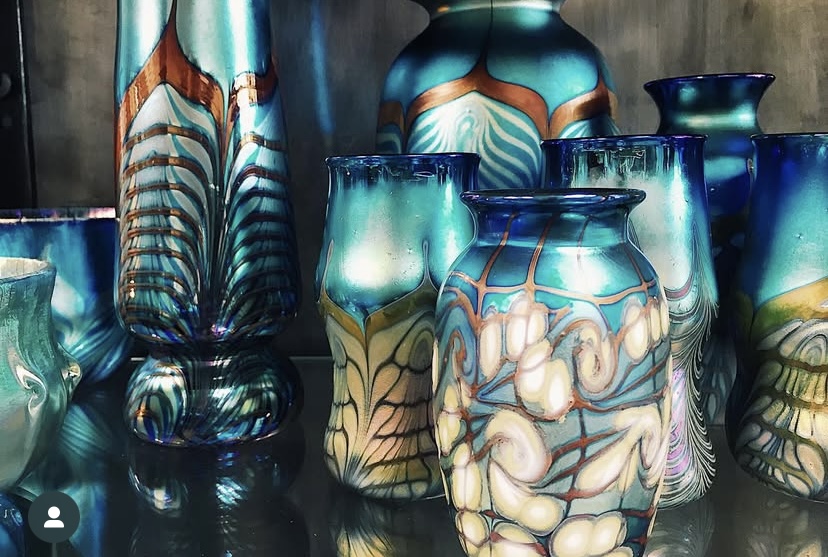
Many would be surprised to hear that the Los Angeles-Long Beach-Anaheim area has the second-highest employment level of craft artists in the country, according to a 2023 Bureau of Labor Statistics estimate. Yet the magnitude and cultural influence of the craft community in Southern California has always been top of mind for the changemakers at the Craft Emergency Relief Fund, a Snap Foundation nonprofit partner that to date has distributed nearly 200 emergency relief grants—totaling a whopping $528,000 in direct aid thus far—to local craft artists who were affected by the fires.
The Craft Emergency Relief Fund (CERF+) is the only national organization dedicated to providing craft artists with the resources and support they need to prepare and recover from emergencies and disasters. Since its founding 40 years ago, it has embodied the craft community’s tradition of “passing the hat” to collect donations for makers during difficult times; today, that ritual manifests as educational programs and two robust grant initiatives that work to ensure both craft artists and craft as an art form can thrive in the face of emergencies.
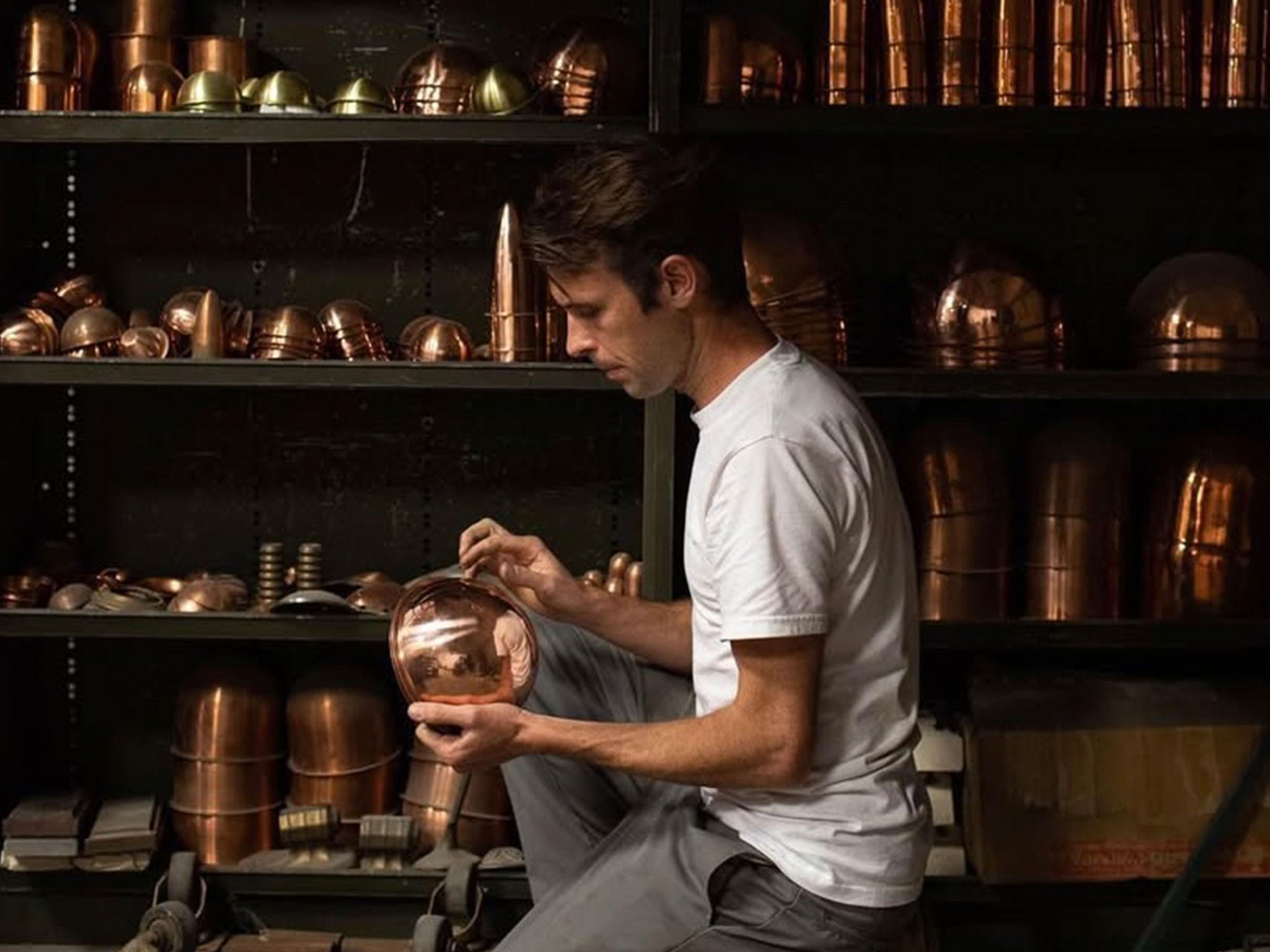
CERF+ is one of just a few social impact organizations that operate on the cusp of emergency disaster response and arts and culture; both sectors come with their own unique difficulties. But for CERF+, surmounting roadblocks at the intersection of emergency relief and the arts ecosystem is simply their craft—one they’ve mastered over the last forty years. Throughout this time, the nonprofit has nurtured trusted partnerships with national organizations like FEMA, the National Voluntary Organizations Active in Disaster, Heritage Emergency National Task Force, ArtEquity, and NCAPER (the National Coalition for Arts Preparedness and Emergency Response), along with mutual aid networks and charitable organizations in direct service to disaster-affected communities. In connecting with diverse partners, CERF+ is prepared to provide resources, direct community members to grant opportunities, and also advocate for the inclusion of community members at the table, so everyone is heard in times of crisis.

When the Palisades and Eaton fires transpired, CERF+ was in communication with these kinds of organizations and other on-the-ground entities, including the L.A. County Department of Arts and Culture and L.A. creative enrichment nonprofit Crafting the Future. These multilateral conversations helped it land on its top priority: rapid response. That meant sending communications to its regional and local network of partners and community members to quickly raise awareness of CERF+ grant opportunities for those impacted. According to CERF+ Executive Director Ruby Lopez Harper, the application process itself is also speedy: “We really push through as quickly as we can. If an applicant meets the eligibility requirements, which we tend to keep pretty minimal for our emergency relief grants, the aid is distributed within 10-15 business days, in most cases.”
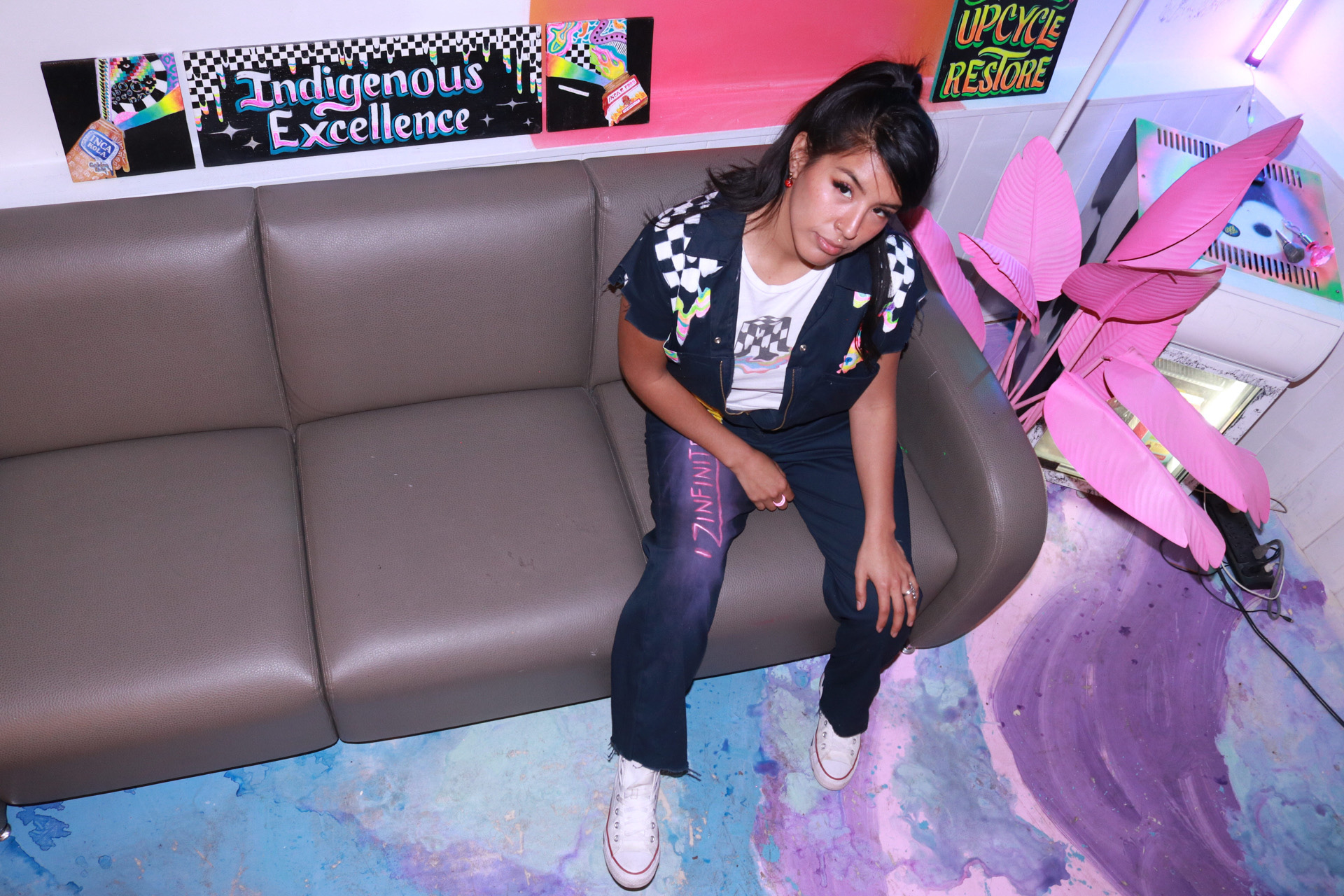
The half-million (plus!) dollars that CERF+ has distributed to craft artists—think folk artists, cultural bearers, potters, ceramicists, mixed media artists, and other makers who create original three-dimensional art objects by hand—represents the impact of the organization’s long-standing Emergency Relief Fund. For years, the Emergency Relief Grant program has provided $3,000 grants to makers who have experienced disruptive emergencies or disasters.
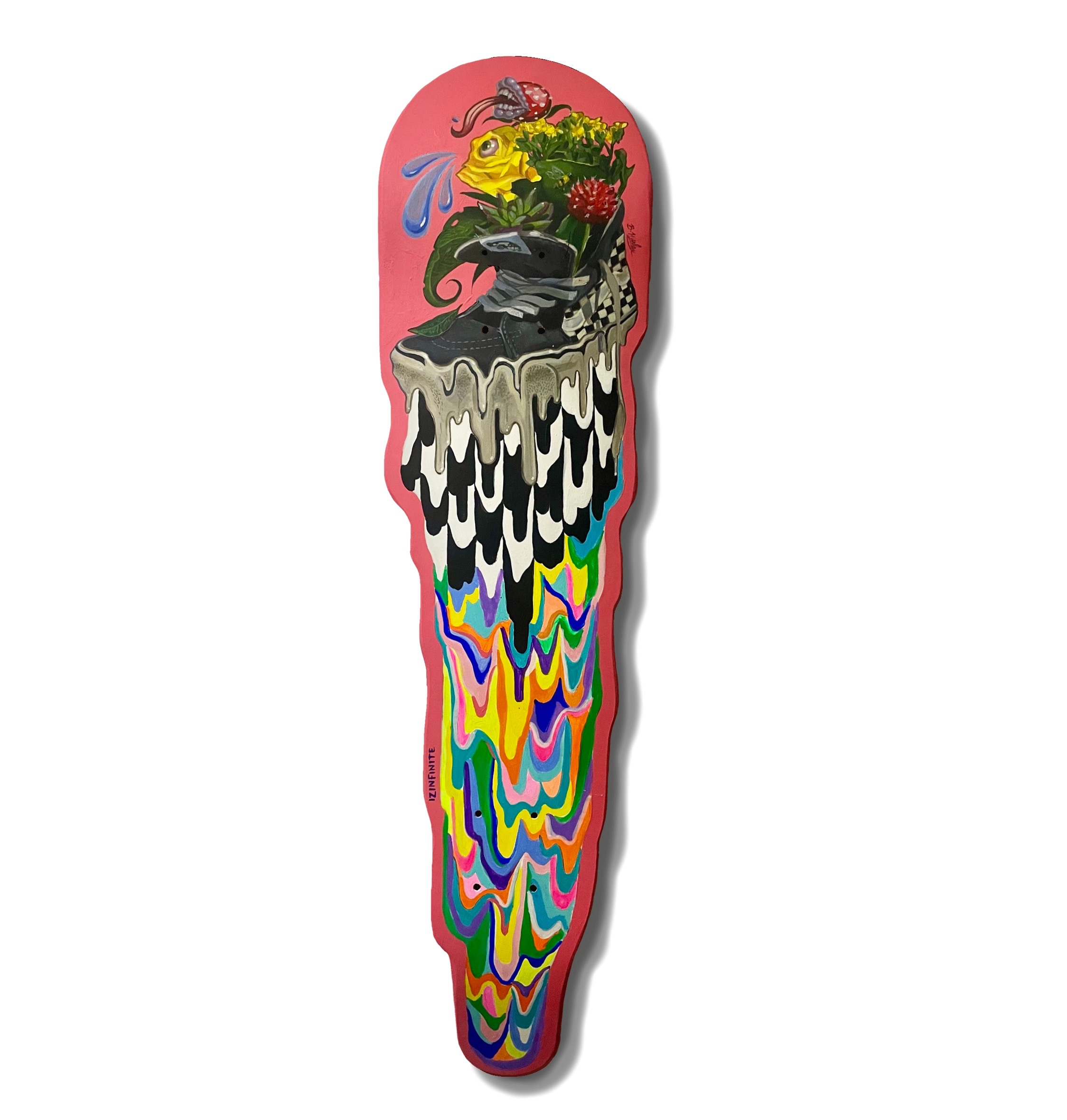
Unlike some modes of grantmaking, a notable characteristic of CERF+’s flagship grant program is its trust-based and minimally restrictive grantmaking. Artists who receive the grant are empowered to use the funds however they see fit—an example of CERF+’s philosophy that artists know best how to stabilize and recover after a disaster. The nonprofit also defines emergencies and disasters broadly; situations like illness, injury, theft, and hospitalization from Covid-19 complications qualify as emergencies, and so do fires, floods, and other environmental catastrophes (the likelihood of which is increasing due to climate change). Flexible guidelines such as these allow for many craft artists to achieve post-disaster stability, which ultimately drives the long-term sustainability of the craft community as a whole.
Further exhibiting CERF+’s dedication to the thrive-ability of the craft community is the organization’s Get Ready grant program, which provides artists with $1,000 to build sustainable art practices. Recipients can put these funds to a variety of activities—from those most obviously related to emergencies, like studio safeguards and disaster readiness tools, to resilience-improving operations often excluded from traditional definitions of emergency preparedness, such as e-commerce training, financial planning, and even professional development.
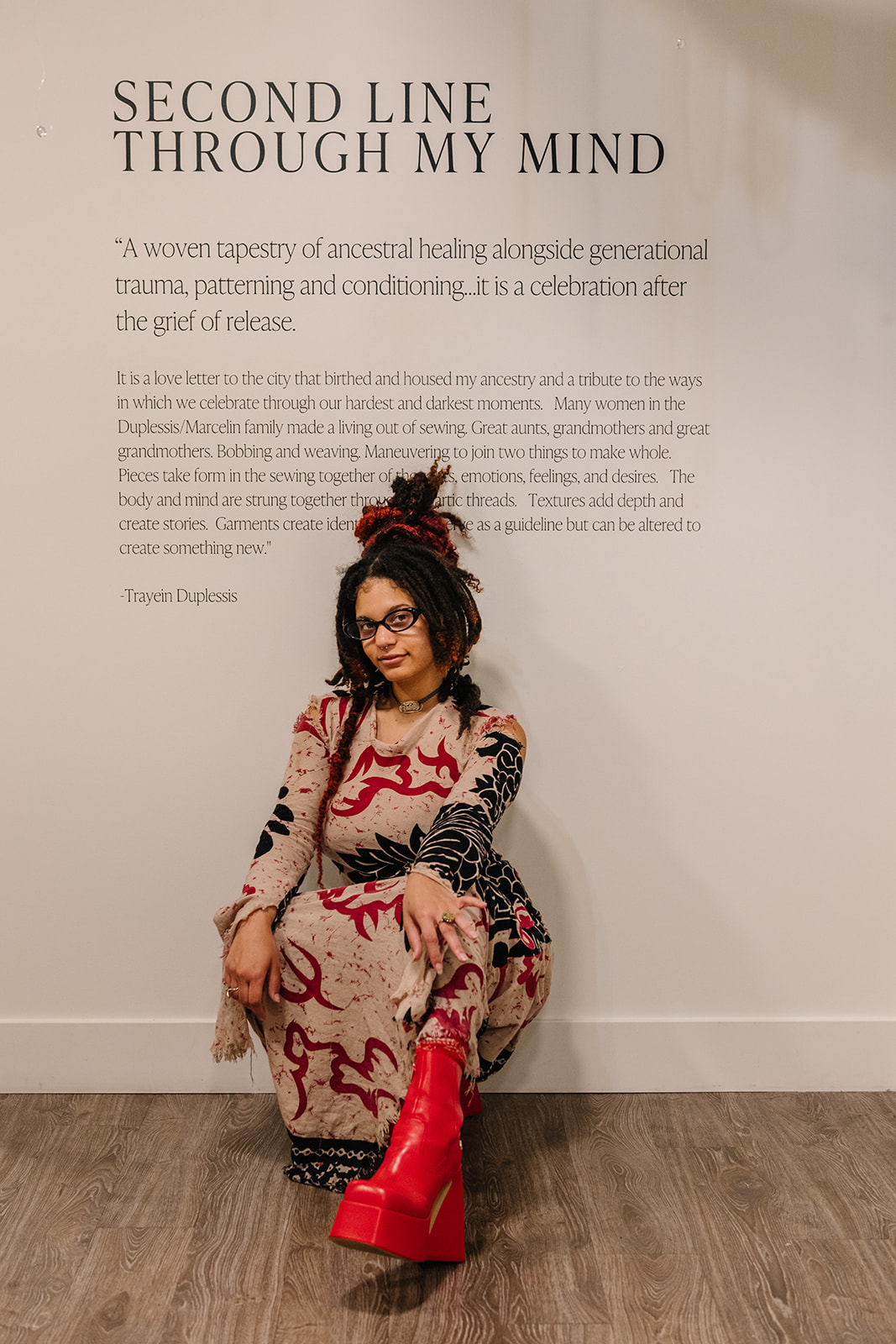
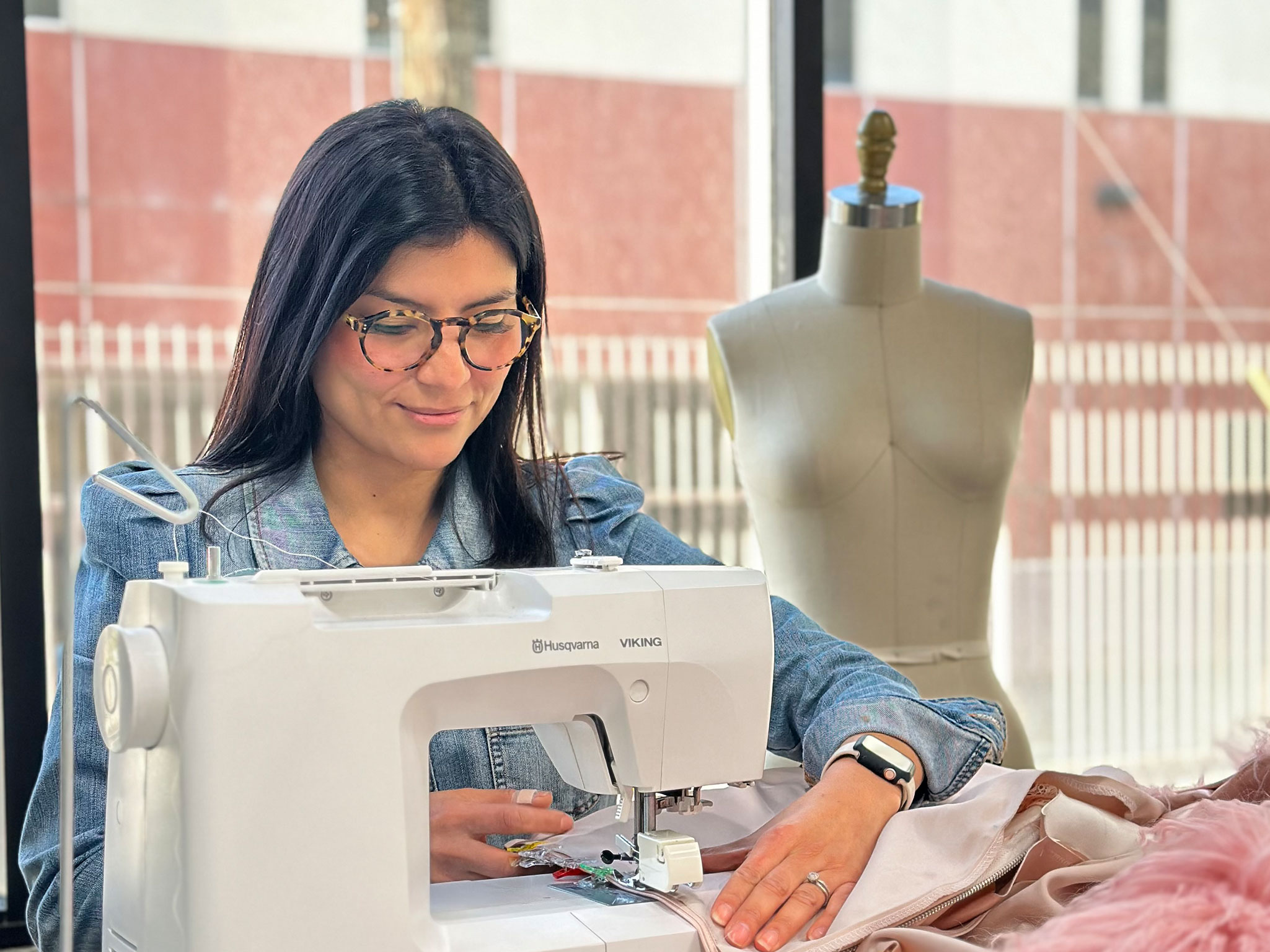
Los Angeles’s recovery from the urban wildfires is an ongoing process; many Altadena and Palisades survivors are still displaced today. But CERF+’s contributions to supporting our city’s vibrant craft community have not gone unnoticed by those who received grants from the Emergency Relief Fund. Wildfire survivor and textile designer Yessica Aguilar Vazquez described her experience in a written testimonial shared with Snap: “Receiving [CERF+'s] financial assistance has been a profound relief during these challenging times, enabling me to concentrate on my sewing projects. This support not only alleviated my immediate concerns but also inspired hope and fostered a desire to give back to the community.”
Expressing a similar sentiment was Linda Illumanardi, a longtime Altadena resident and craft artist who works across mediums, including ceramics and fabric. “It’s a slow, painful process after fires like these,” Illuminardi wrote. “I was evacuated for over a month and am one of the few local artists who still had a home studio to return to. The studio I’ve used down the road [before the fires] is nothing but ash and rubble. With [CERF+’s] help, I was able to get back to my home and begin the cleaning process with assistance. I still don’t have a safe and affordable place to teach here—but I do have time now to inventory my materials and see what I have and can use. I was totally isolated and unable to move forward without funds.”
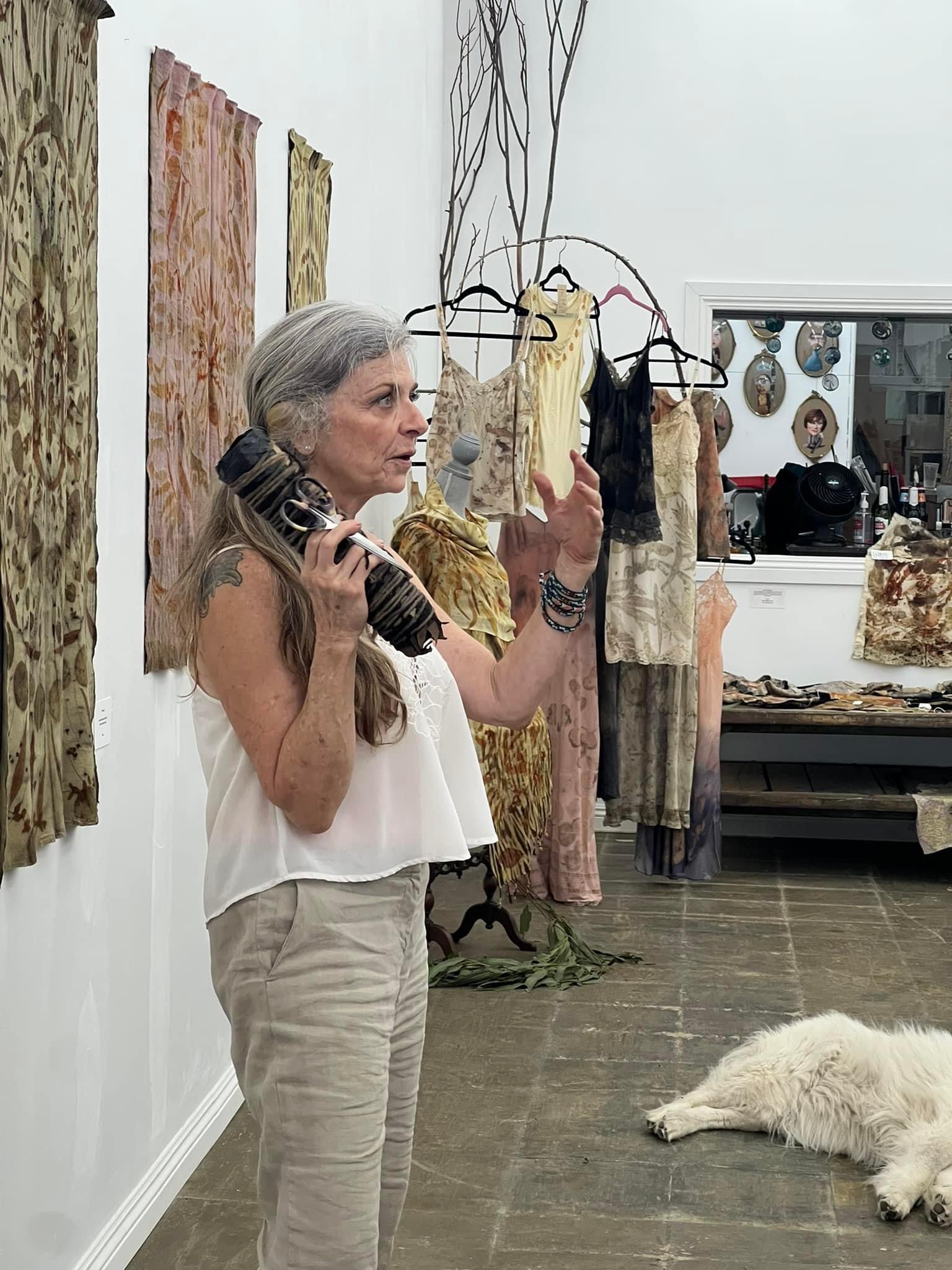
Ensuring that craft artists can remain engaged in the creative economy is an endeavor that drives positive change beyond the workforce itself. For instance, fostering access to more sustainable practices for today’s makers—particularly those whose craft preserves cultural traditions that are, as explained by the Smithsonian’s Cultural Rescue Initiative, at risk of being erased due to climate disasters and other threats—means that a marginalized culture’s traditions and values will live on through its artistic culture bearers. Additionally, such preservation makes sure that new generations are introduced to these folkways. When young people are exposed to the arts, they are more likely to develop and appreciate creativity, so investing in the craft community today is a leap towards building a more culturally vibrant creative workforce for tomorrow.
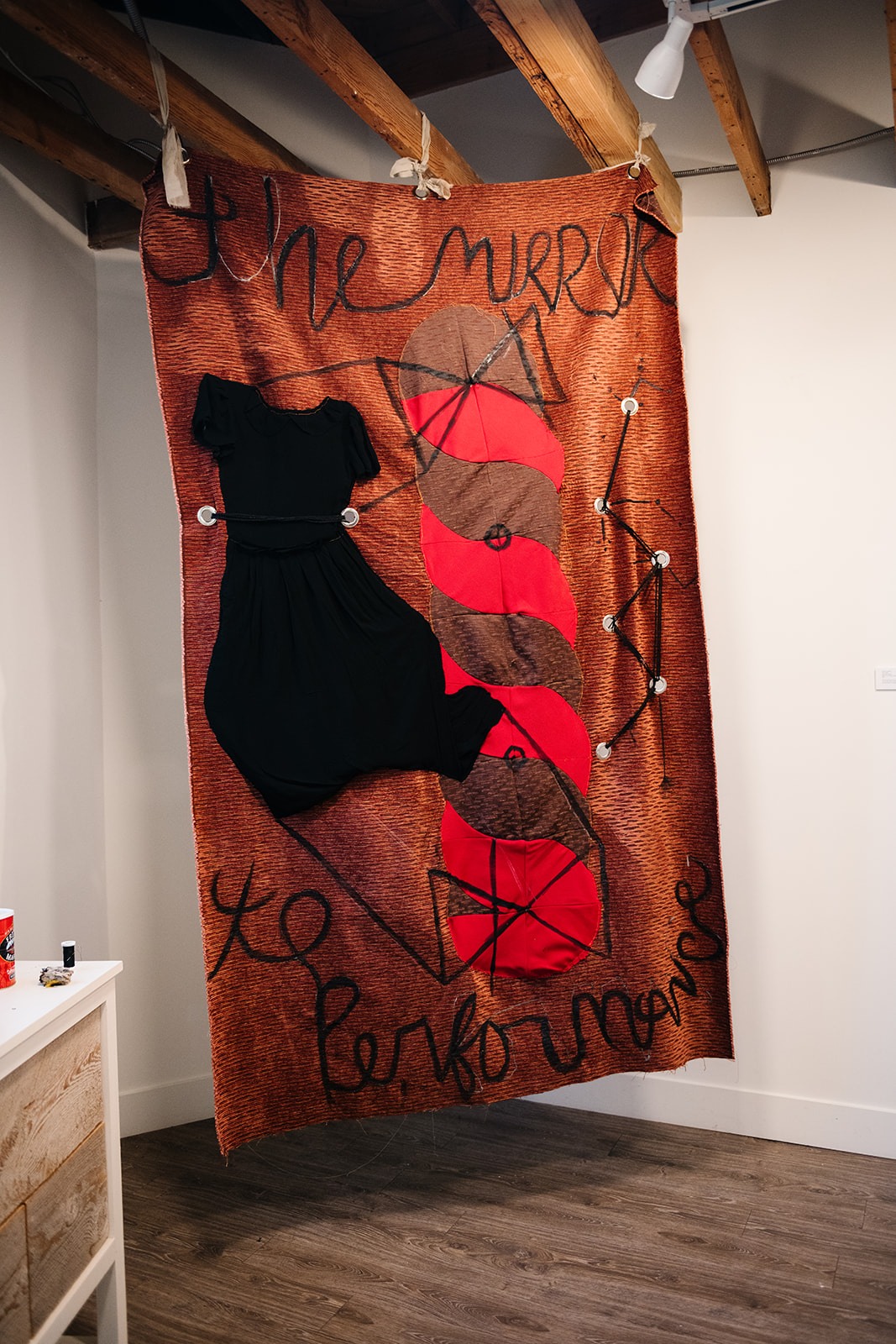
And, of course, a more resilient local craft arts community bolsters L.A.’s creative economy overall. As earlier mentioned, Southern California is home to one of the country’s largest populations of employed craft artists. When these creatives are stable and thriving, so too can the entire arts economy, as the works of craft artists show up everywhere. “Craft artists are small businesses in themselves, and the reach and effect of their work is vast and varied,” says CERF+ Director of Advancement Nichole Potzauf.
As our local creatives persist towards recovery and healing after the Eaton and Palisades fires, CERF+ continues to help vulnerable craft artists around the country prepare for and rebuild after emergencies—of which the organization knows are increasingly occurring. Last year was the first in which Get Ready grants were doubled from $500 to $1,000: a watchful move further affirmed by recent findings that every $1 invested in disaster preparedness translates to $13 of economic savings. According to Potzauf, this data makes clear that an investment in the creative workforce is an investment in the economic resilience of communities at large. As for right now, the nonprofit is bringing all eyes to its ongoing summer fundraiser.
“As disasters grow in frequency and intensity, we are deepening our commitment to the importance of preparedness,” says Harper. “We believe that craft artists being prepared for the unexpected is an investment in the future of craft.”
Looking to support Craft Emergency Relief Fund’s summer campaign? Donate today, or learn more about CERF+’s work and mission at cerfplus.org.