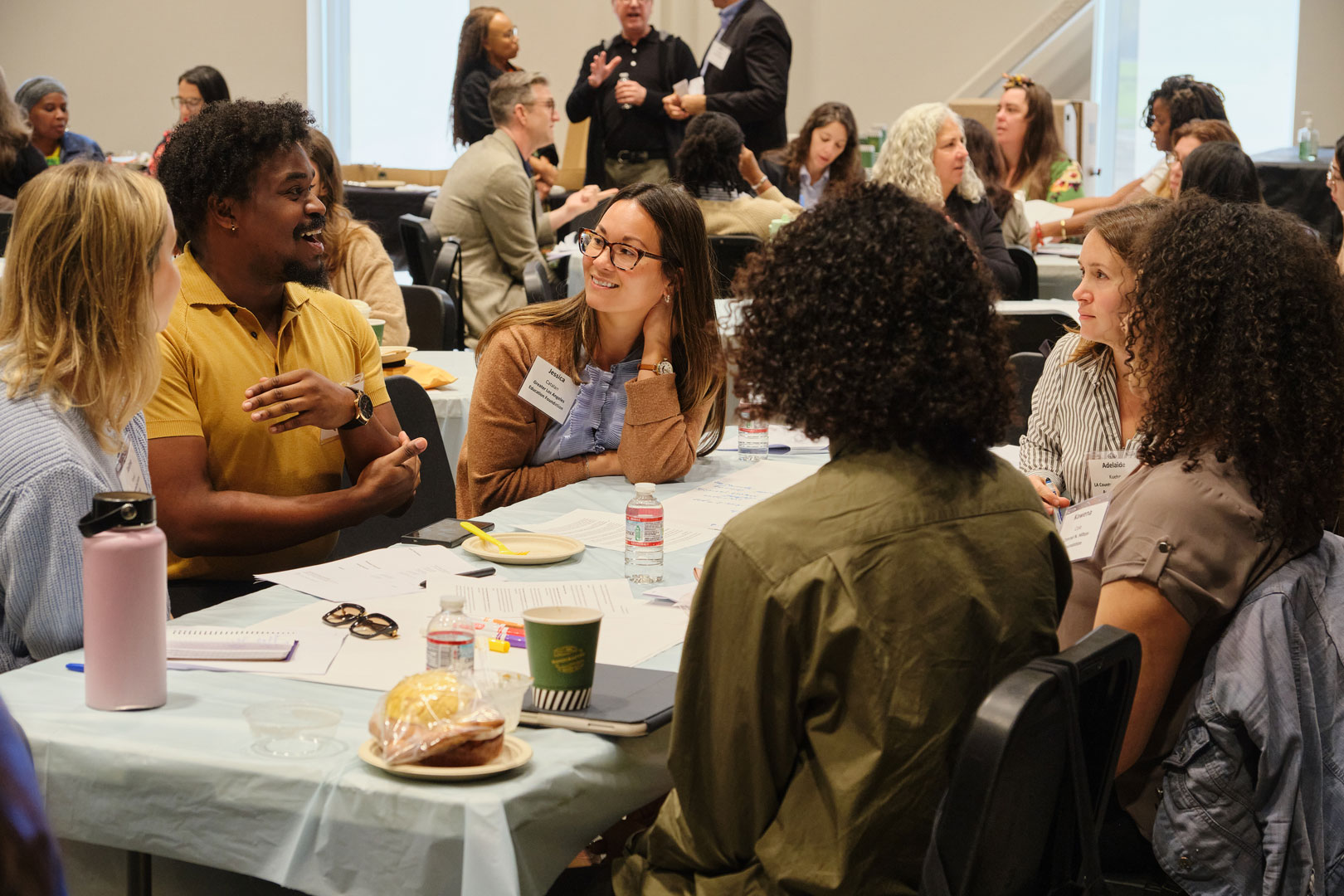
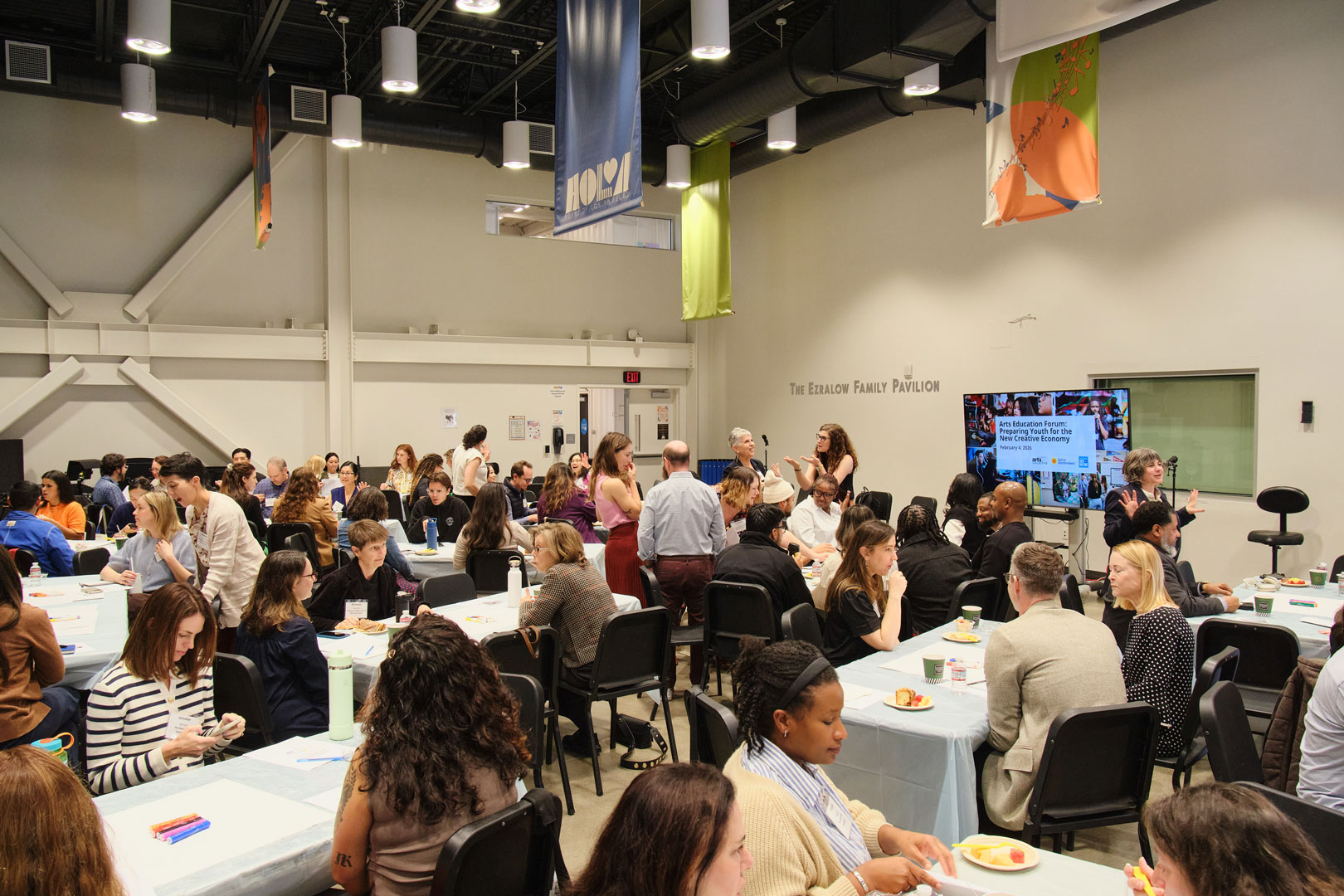
On February 4th, 2026, SoCal Grantmakers, LA County Department of Arts and Culture and the LA County Arts Ed Collective cohosted the Arts Education Forum: Preparing Youth for the New Creative Economy at Heart of Los Angeles.
The gathering highlighted the resilience of California’s creative economy, with Los Angeles leading the state in creative job growth and wages, and underscored the increasing importance of education, adaptability, and creative skills in today’s workforce.
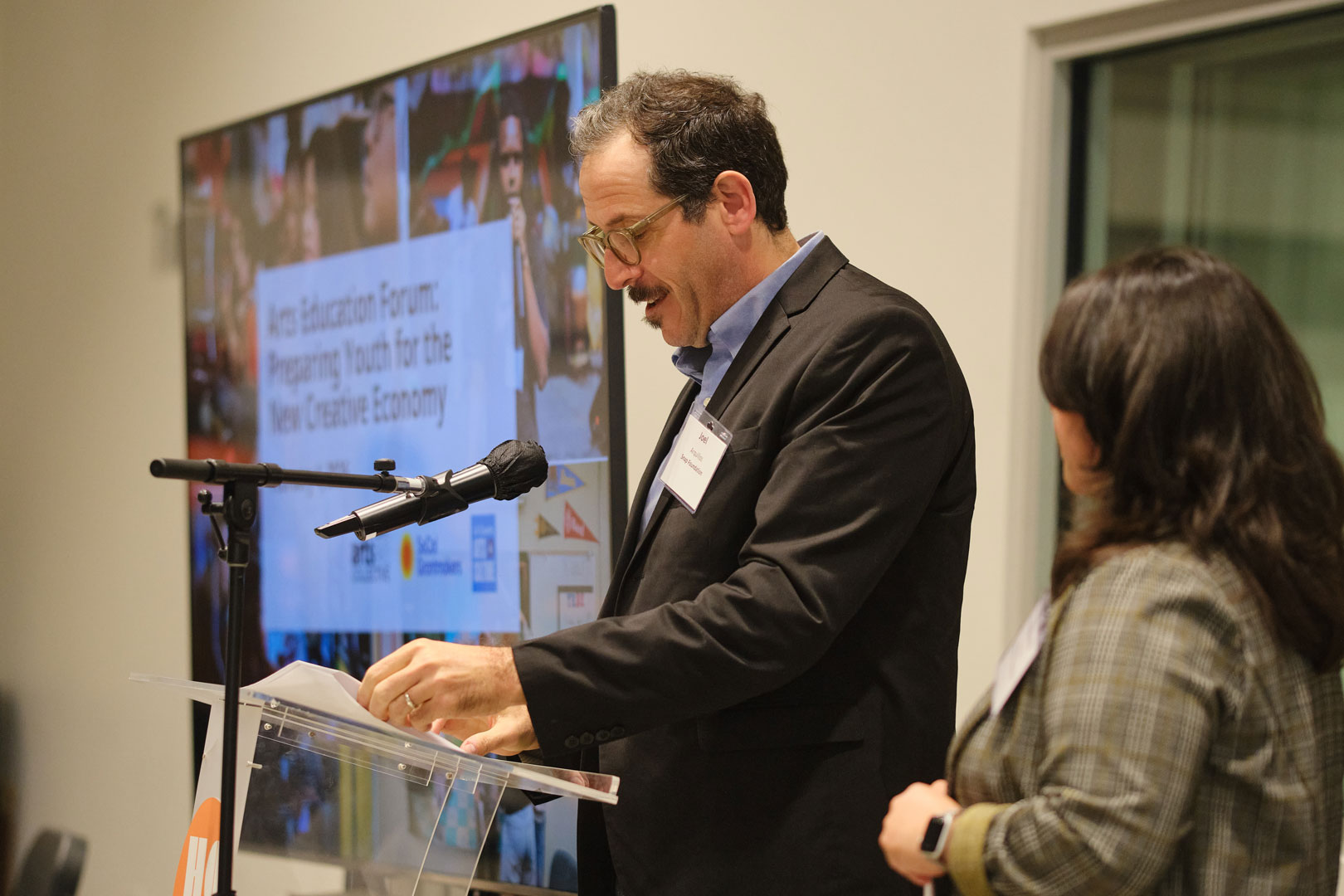
After a warm welcome and introduction by the Snap Foundation’s Executive Director Joel Arquillos and the Perenchio Foundation's CEO Stephania Ramirez, Kristin Sakoda and Meia Johnson of LA County Department of Arts and Culture presented data from LA County Cultural Equity & Inclusion Initiative (CEII) which emphasizes investing in creative career pathways for youth at the early K-12 art education level is a foundational step towards creative equity. Amid the evolving creative economy, the County urged to view work under a new, broader aperture that includes the arts as an economic engine, as health and wellness, and preservation of cultural heritage. They highlighted success stories including Boyle Heights Arts Conservatory’s Mural Workforce Academy and the Through Our Lens photo essay series with Las Fotos Project and Black Image Center.
Representatives of the County then shared a field scan of resources for Creative Career Pathway programs for Youth which bridge the gap between underrepresented communities and the multi-billion economy with essential support. They presented the career exploration portal (launched with support from the Snap Foundation) Creative Careers Online; the new Bloomberg Arts Internship for rising high school seniors; and the Media Career Pathways Prototype.
The presentation underscored that the stakes are high. Young people deserve more than the persistent narrative that artists are peripheral; the arts are essential to health, wellness, and economic growth.
Following the County’s demonstration, representatives from the Bric Foundation, Entertainment Equity Alliance, IATSE, the California Department of Education, and the Alliance for Media Arts + Culture emphasized the importance of aligning arts education with Career Technical Education (CTE) standards and creating meaningful, real-world training opportunities that extend far beyond traditional “career day” models. Touching on the CA Department of Education’s industry skills framework for Arts, Entertainment & Design (AED) and school district pilot partners, the forum also emphasized the importance of apprenticeships as work-based learning and necessary training for navigating multiple facets of creative work. IATSE Local 80’s high school masterclass program with Hollywood CPR and the Alliance for Media Arts + Culture’s Arts2Work Apprenticeship program - the first federally registered national apprenticeship program in media arts and creative technologies - proved meaningful examples of successful preparation for young folks.
Additionally, the forum highlighted three young beneficiaries of the Media Career Pathway Prototype who shared their film projects and offered firsthand perspectives on navigating creative work.
A panel discussion between representatives of LACDAC, CSU Entertainment Alliance, Centinela Valley Union High School District, Exceptional Minds and Teaching Artist Logan Jackson explored promising school- and community-based models, Career Technical Education (CTE), and pre-apprenticeship/apprenticeship pathways that expand youth access to creative careers. They emphasized the role of cross-sector collaboration in building a more diverse, inclusive, and future-ready creative economy and shared real examples of student success stories. Panelists were clear that equity is not optional and meeting young people where they are makes all the difference. Paid internships, access to mental health resources, and intentional scaffolding for underrepresented students are critical components of long-term success.
Attendees were encouraged to invest in paid internship models including Funding for stipends, housing support, and transportation assistance; prioritize mental health with resources for therapy, wellness programs, and trauma-informed training; support skill-building initiatives by funding programs teaching transferable skills; champion neurodiverse talent; and commit to equity, not just access by funding scaffolding programs and mentorship for under-invested in youth.
Breakout sessions brought about generative conversations about program design, centralized information systems, funding and flexibility, sustaining through collaboration and more.
The event was a joyous overview of success stories and real-time interaction for partners in the sector.